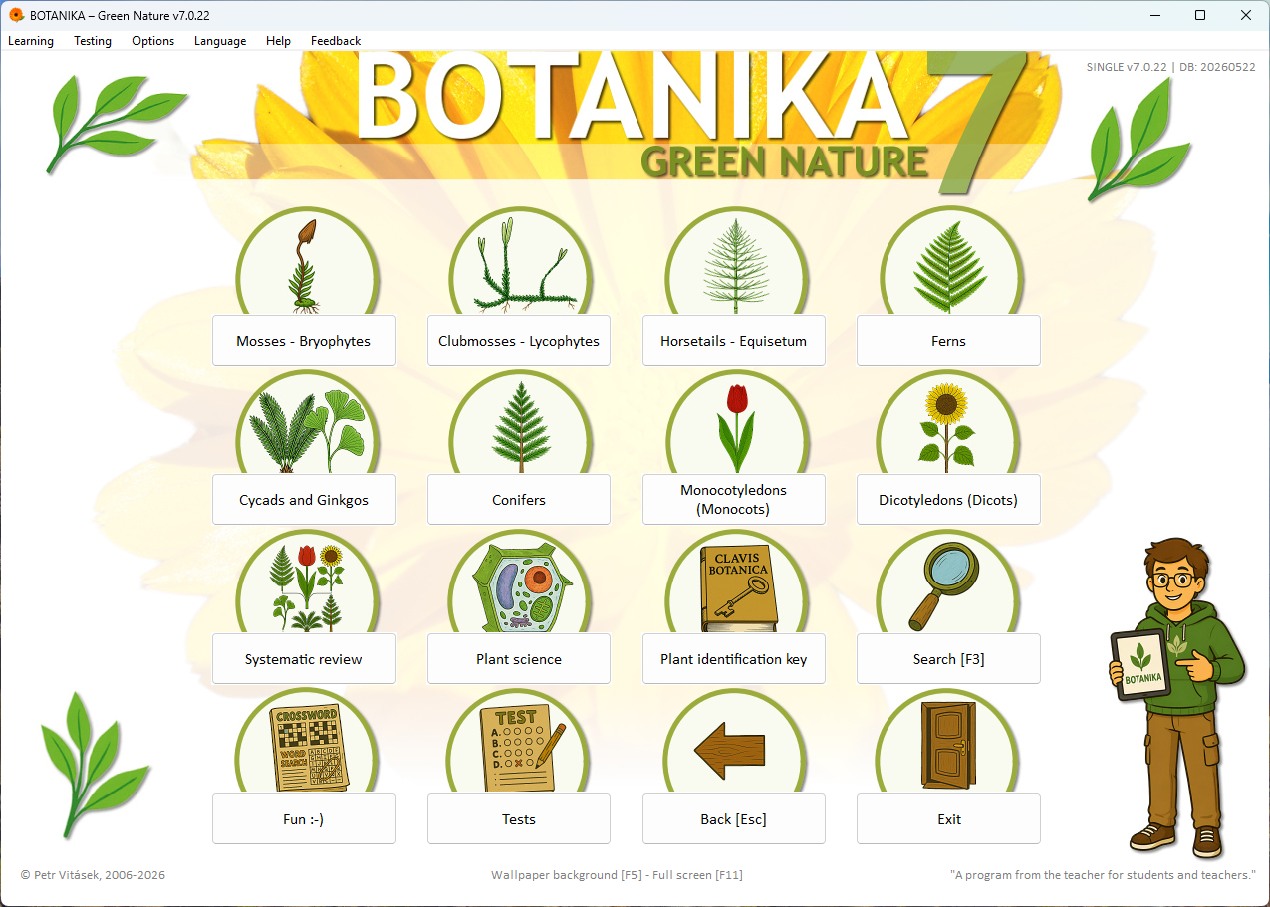
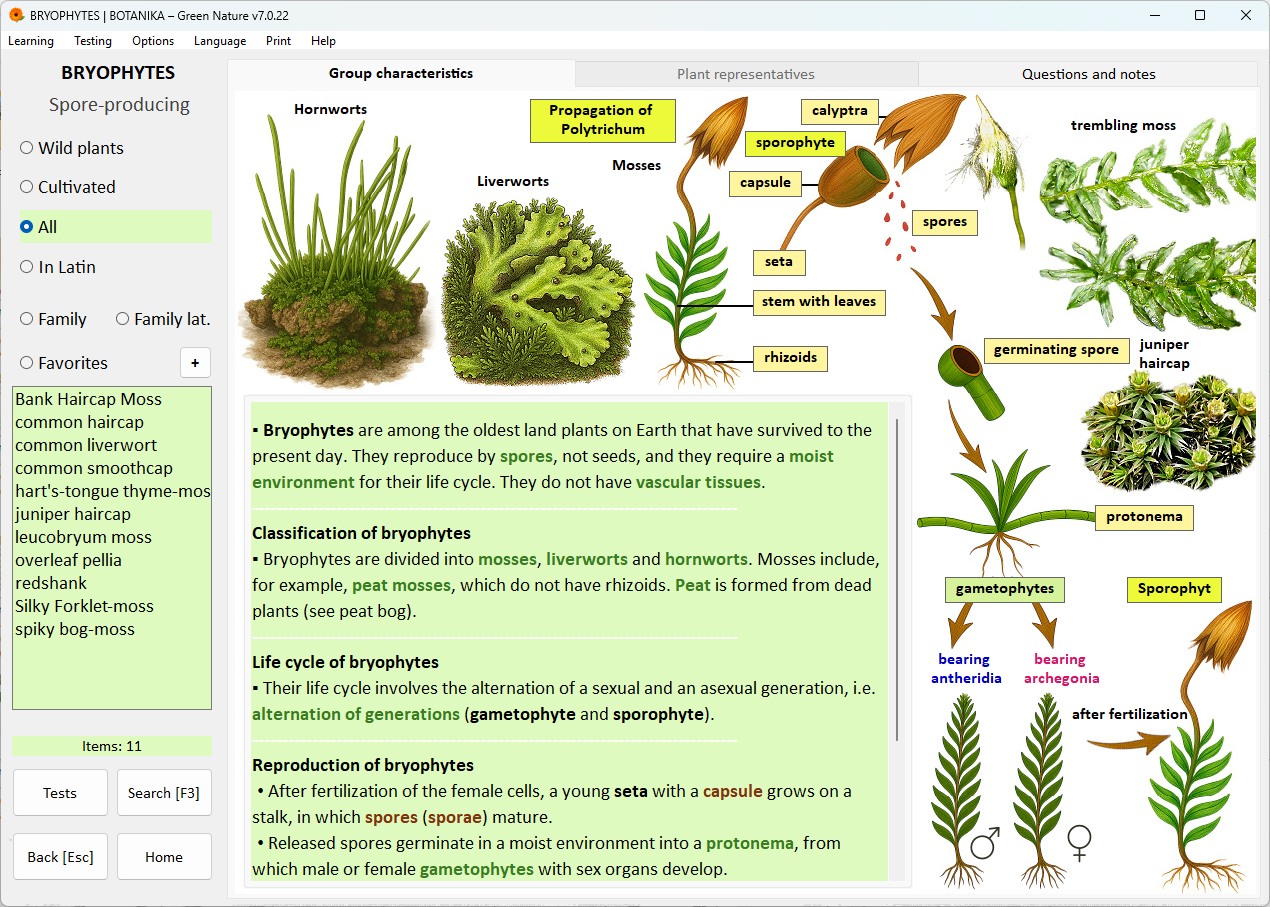
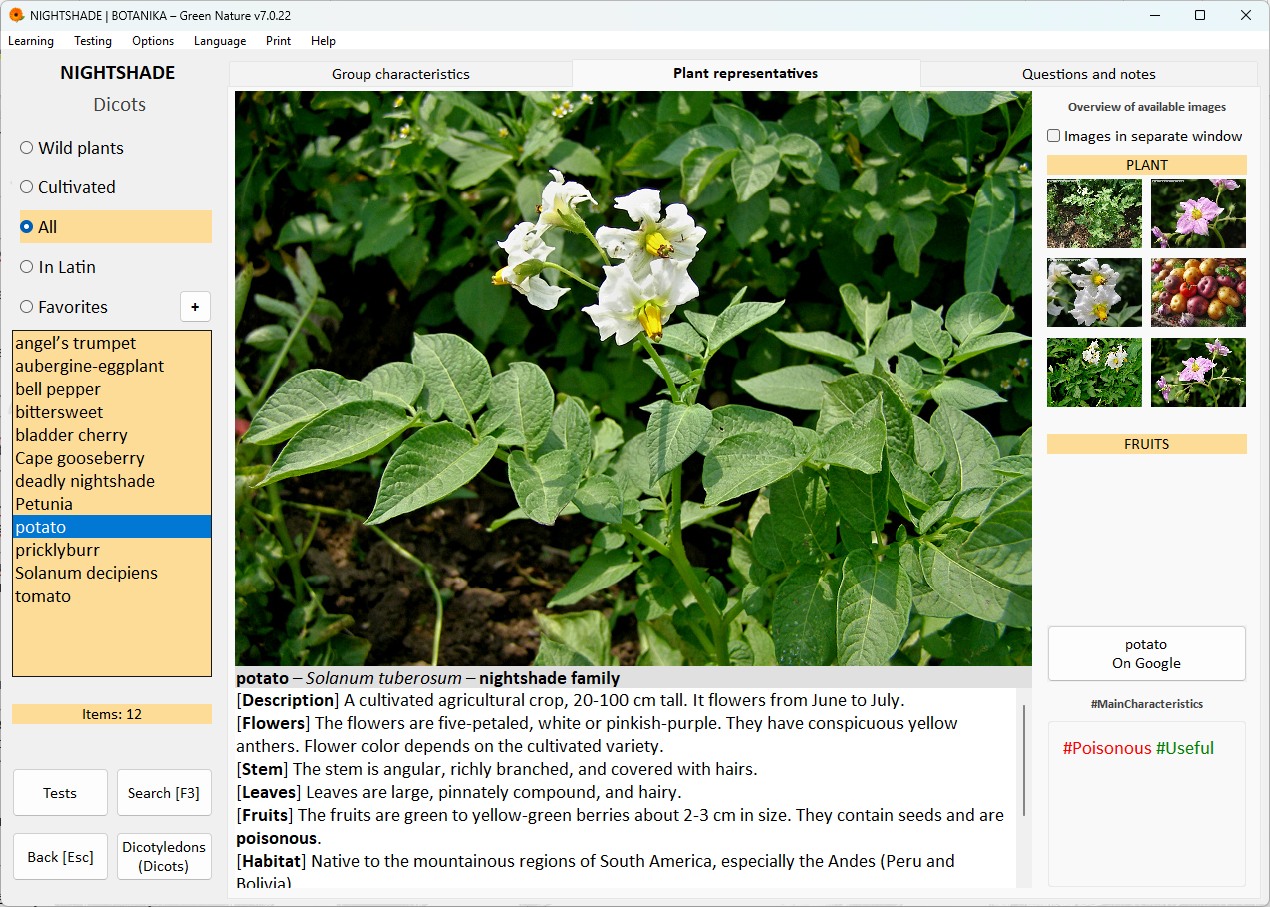
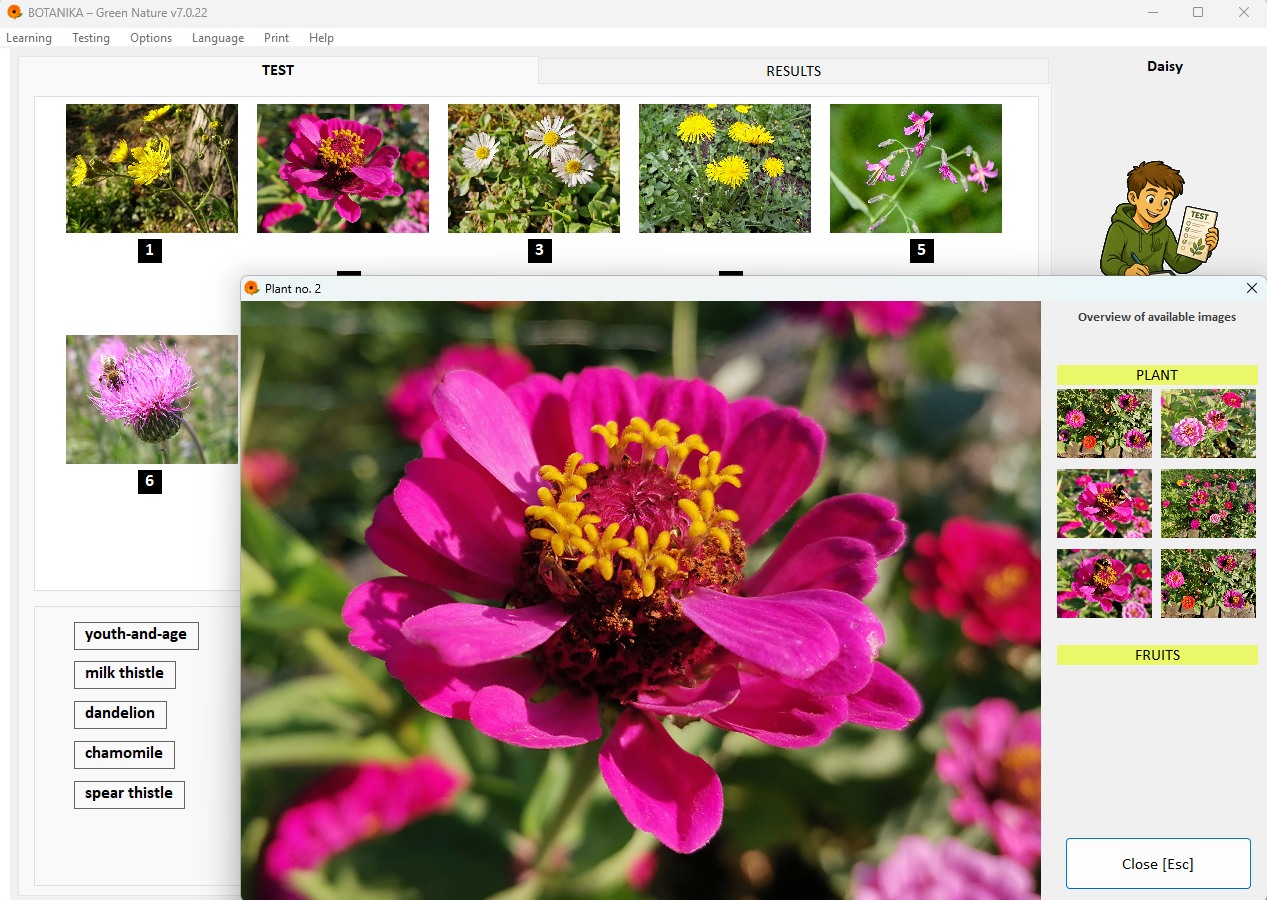
Modern educational application for Windows 10 and 11
BOTANIKA – Green Nature – Interactive Learning App for Plant Identification
Modern botany education for primary and secondary schools
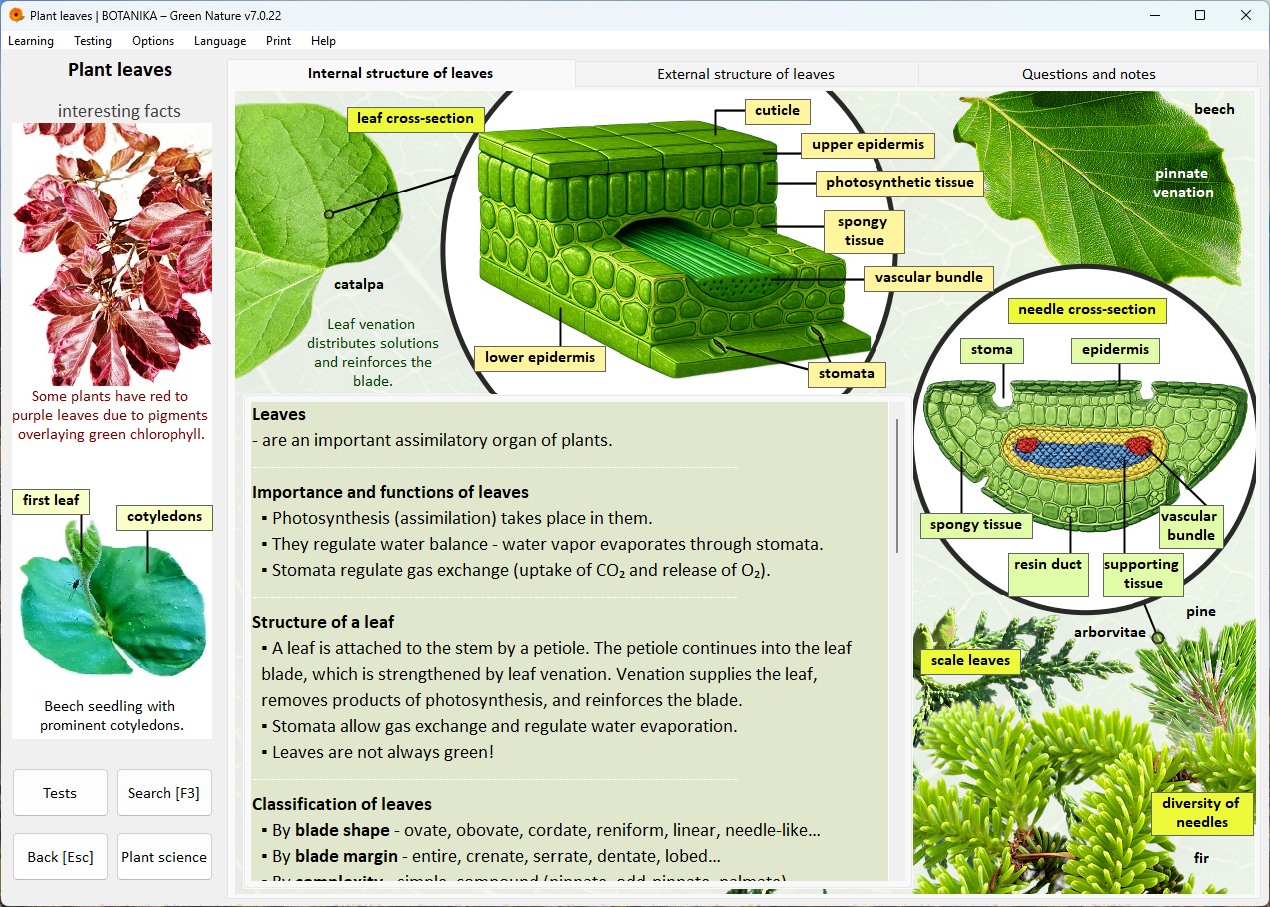
BOTANIKA – Green Nature is an interactive learning app for plant identification and biology education.
It helps students and teachers easily identify plants, practice botany topics and test knowledge using images,
quizzes and practical activities.
The application is suitable for primary and secondary schools, interactive whiteboards
and independent study. It includes a digital plant atlas, teaching materials and tests focused on
plant structure, systematics and identification.
Take a Look Inside the App
See what BOTANIKA – Green Nature looks like in action
🏠 New: the Home License – BOTANIKA now for you at home!
Discover plants, practise and prepare for tests anytime – in the comfort of your own home.
The new Home License is designed for personal use at home and is available at a special price.
Perfect for pupils, students, and nature lovers of all ages.
✔ Full version of the application without limitations
Botany is designed for primary and secondary school teachers, students and self-learners.
It supports biology lessons, revision and preparation for exams and tests.
❓ Frequently asked questions
How does the app help with plant identification?
It allows students to identify plants using images, characteristics and classification.
Can the application be used offline?
Yes, the application works fully offline.
Is it suitable for classroom use?
Yes, it is designed for use in school lessons and on interactive whiteboards.
🍀 Botany has never been clearer and easier to understand.
📘 For Teachers: Inspiration and Methodology for Teaching botany
Are you looking for practical tips on how to teach plant identification in a clear and interactive way?
We have prepared articles and methodological materials that you can immediately use in your lessons.
The articles complement practical teaching methodology and show how to use the application
both in lesson planning and during classroom teaching.
Posts from LinkedIn
Does Digital Botany Have a Place in Schools?
Many biology teachers would agree that the best botany textbook is nature itself.
And they are absolutely right.
No screen can replace a meadow full of flowering plants, a forest trail, or the opportunity to hold a plant in your hands, examine its structure, and observe it in its natural environment.
Nature is the best teacher. But what do we do when it isn't within reach?
Should students learn plants by taxonomy or by habitats?
For generations, botany has been taught largely through taxonomy.
Students learn representative plant families such as:
🌹 Rose family (Rosaceae)
🌼 Daisy family (Asteraceae)
🌱 Mustard family (Brassicaceae)
🌿 Mint family (Lamiaceae)
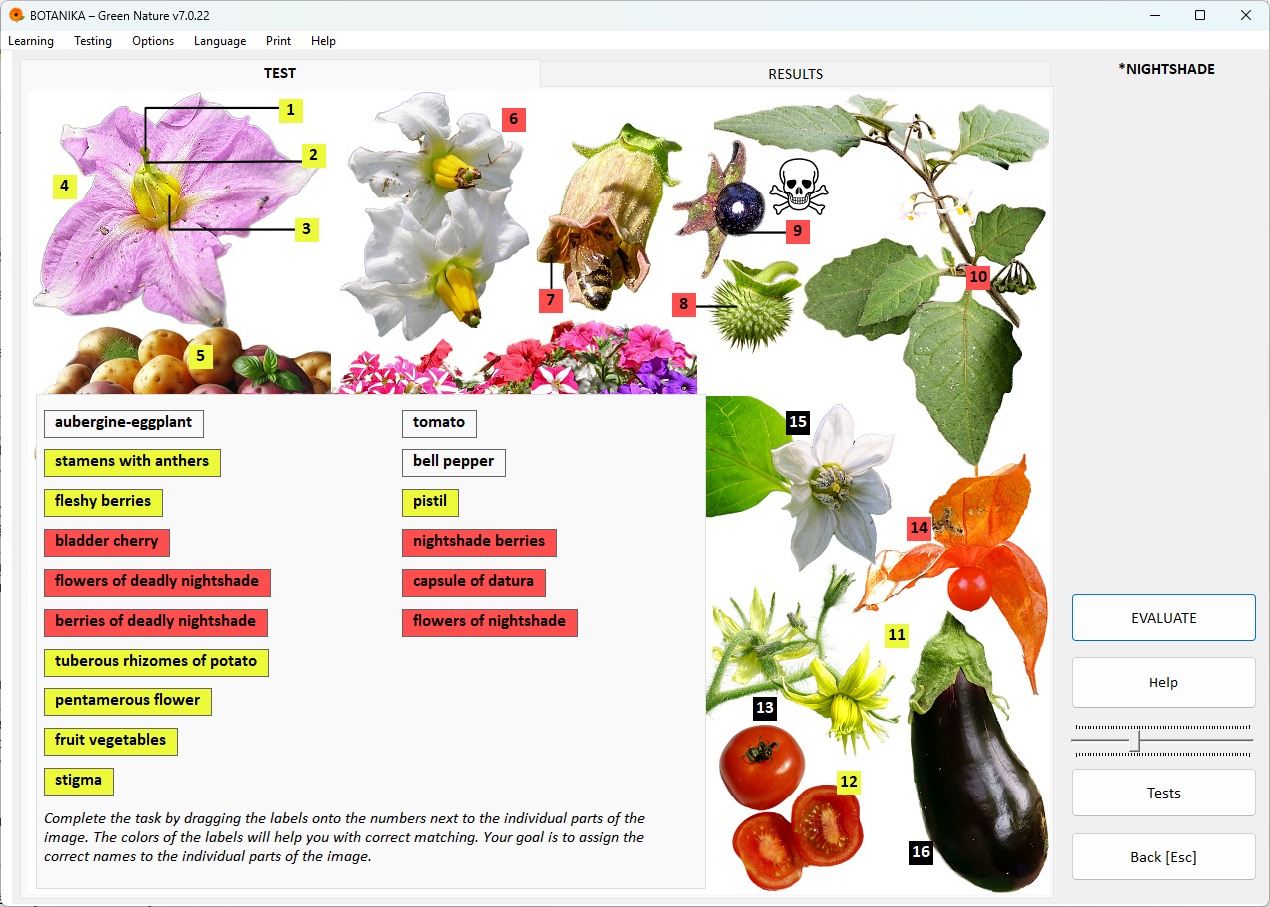
🍅 Nightshade family (Solanaceae)
🥕 Carrot family (Apiaceae).
There are good reasons for this. These families are common, economically important, easy to observe, and help students understand broader botanical principles.
🌿 New trial packs at BOTANICA – Green Nature 🌿
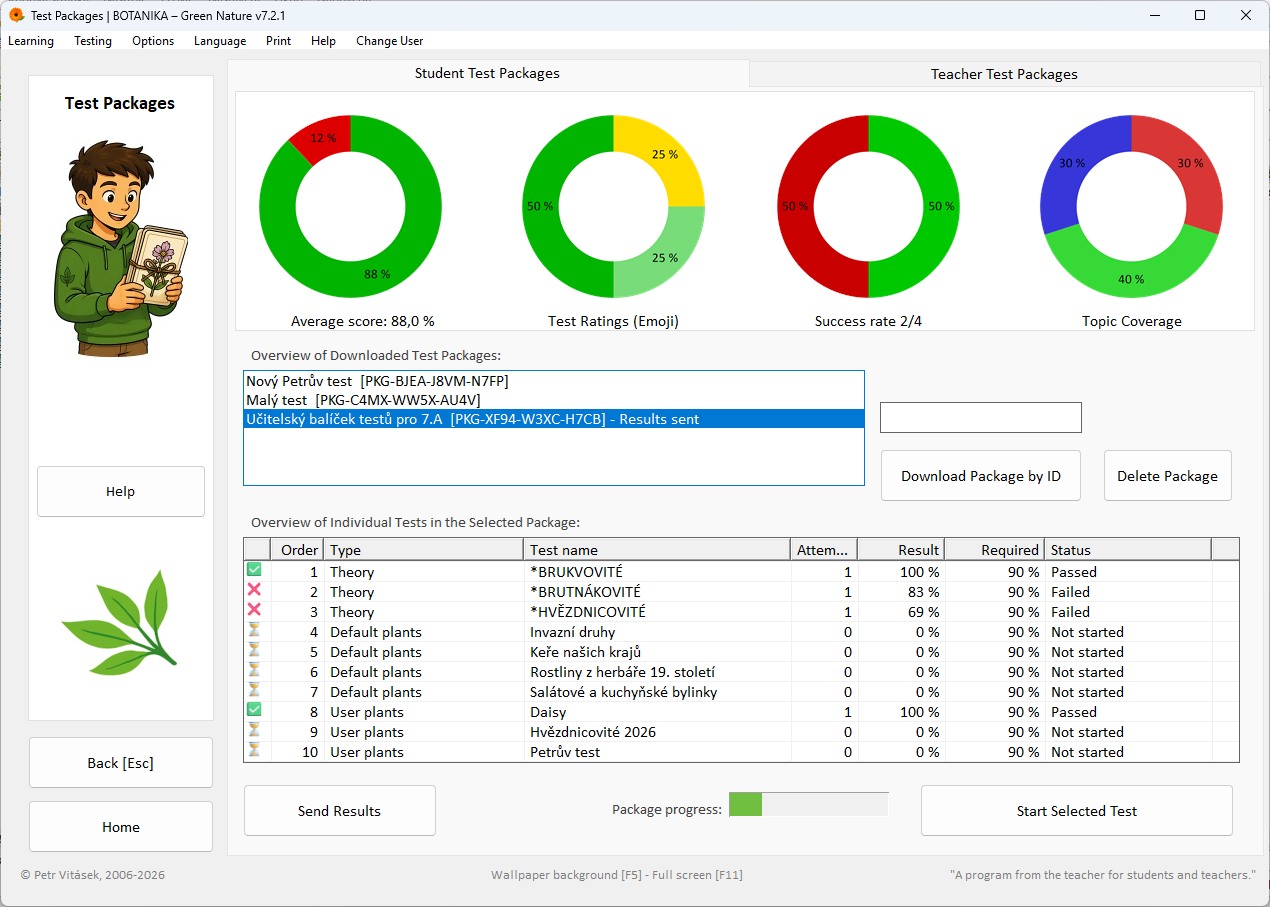
The latest version of BOTANIKA – Green Nature introduces a new feature designed to streamline and enhance knowledge assessment and student practice: test packages.
A test package combines multiple tests into a single, structured learning path, providing both students and teachers with a clear overview of progress and performance.
🌿 Botanika 7.1.0 brings support for signing in via Microsoft 365.
One of the most significant new features of the latest version of the BOTANIKA – Zelená příroda app is support for user authentication via Microsoft 365 school accounts.
🌱 Plant identification is only the beginning
Most students can learn to recognize a tomato, a potato, or even deadly nightshade.
But real botanical understanding starts one level deeper.
🌱 Why do students remember animals more easily than plants?
One challenge I've encountered in biology education is that students often find it easier to identify animals than plants.
Many can recognize dozens of animal species, yet struggle with even the most common plants growing around them.
Part of the reason may be that plants are often perceived as a static background rather than living organisms worth paying attention to.
🌸 Sample Teaching Methodologies
How long does it take you to prepare a high-quality botany lesson? Honestly—often 1–2 hours.
👉 That’s why we’ve created 3 ready-to-use lesson plans:
🌿 Ferns
🌼 Asteraceae (Daisy family)
🌸 Plant flowers.
Each lesson plan includes:
✔ complete lesson preparation
✔ a detailed lesson outline
✔ integration of a digital app
✔ practical teaching tips.
👉 Just open and teach. Would you use these in your class?
This website uses Google Analytics to measure traffic and improve content.